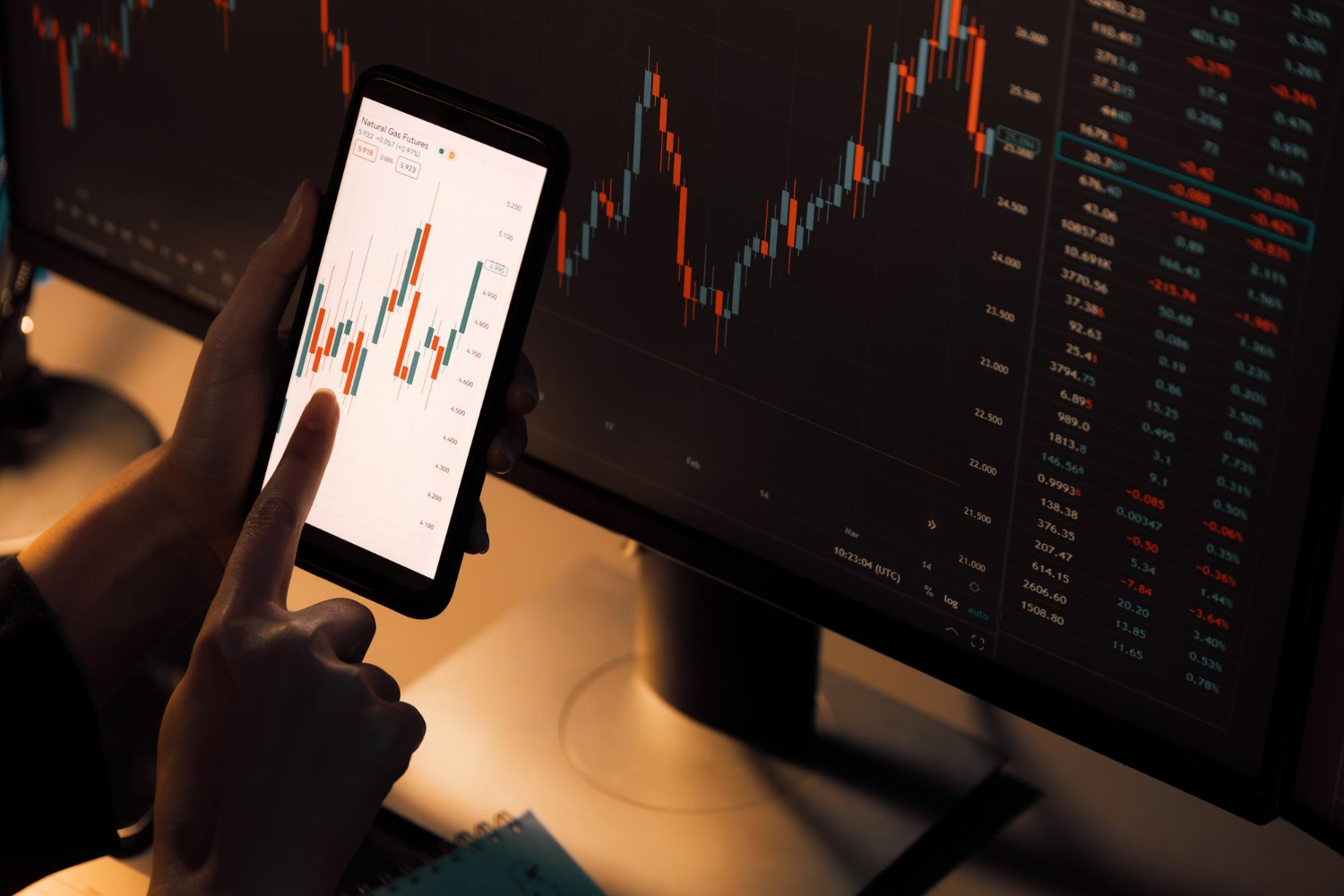
As the allure of high-risk trading captivates the financial ambitions of young Filipinos, a new trend emerges among Gen Z. This generation is not only redefining investment strategies but also navigating the complexities of market volatility with remarkable fervor. By diving into the motivations and characteristics driving this phenomenon, we uncover the influence of social media, the promise of swift financial rewards, and the crucial need for financial literacy. Join us as we explore the exciting yet perilous world of trading where risk and reward intertwine.
Definition and Overview
High-risk trading pertains to investing in volatile markets where potential returns are substantial, but the associated risks are equally significant, including rapid market fluctuations and the possibility of total loss. This form of trading often involves the use of trading leverage with assets such as cryptocurrencies, stocks, and options, which are recognized for their price volatility.
Platforms such as Binance serve cryptocurrency traders by providing a user-friendly interface along with advanced trading options, while Robinhood offers an accessible platform for stock trading that operates without commissions.
The prospect of high returns in high-risk trading can be particularly appealing; for instance, investors may aim to take advantage of a 10% price swing in a cryptocurrency like Bitcoin.
It is crucial to implement effective risk management strategies, such as establishing stringent stop-loss orders, to mitigate potential losses.
Why It Appeals to Gen Z
Generation Z is increasingly attracted to high-risk trading, influenced by their aspirations for financial independence and the impact of peer trends within the realm of digital investing. This demographic demonstrates a significant interest in platforms such as eToro, which facilitate social trading, allowing users to replicate the trades of seasoned investors.
Recent statistics reveal that approximately 53% of individuals in Generation Z have participated in trading activities, with around 25% focusing specifically on stocks and cryptocurrencies.
The appeal of real-time market data, combined with opportunities for collaborative learning, enhances their engagement in this space. Furthermore, Generation Z’s preference for instant gratification reinforces their inclination toward high-risk investments, presenting both opportunities and potential challenges as they navigate the complexities of this rapidly evolving financial landscape.
Understanding Gen Z in the Philippines
In the Philippines, Generation Z represents a dynamic demographic characterized by unique traits that influence their approach to investing and financial literacy.
Demographics and Characteristics
Filipino Gen Z individuals, aged 14 to 26, are distinguished by their significant digital presence and an increasing interest in financial literacy, which is influenced by global financial trends. This demographic demonstrates a promising level of engagement with financial education tools.
For example, 52% of Filipino Gen Zers utilize online platforms for financial advice, with applications such as Investagrams and GInvest leading in popularity.
Research indicates that 38% of this group has initiated personal investment plans, frequently employing mobile banking tools like GCash to facilitate accessible transactions.
Furthermore, leveraging resources such as Google Trends can help identify specific topics of interest, enabling educators and marketers to customize their content to meet the evolving needs of this audience effectively.
Financial Literacy and Awareness
Despite the high level of internet penetration, studies indicate that only 20% of Filipino Gen Z individuals feel confident in their financial literacy, thereby highlighting a significant gap in education.
To improve financial knowledge, several valuable resources are readily available.
- The Financial Literacy Toolkit provided by the Bangko Sentral ng Pilipinas offers comprehensive guides and practical insights on budgeting, saving, and investing.
- Additionally, platforms such as Investopedia present easily digestible articles and tutorials specifically tailored for young adults.
Engaging with interactive applications, such as Genius or Tally, can further reinforce these concepts through gamified learning experiences. These tools not only enhance understanding but also give the power to Filipino Gen Z to make informed financial decisions.
Motivations for Engaging in High-Risk Trading
Young traders are driven by a range of motivations, including the appeal of rapid financial returns and the significant impact of social media trends on their trading decisions.
Desire for Quick Financial Gains
The potential for rapid financial success draws many young traders to the high-risk market, with over 55% of Gen Z investors seeking immediate returns. This demographic frequently favors platforms such as Robinhood and Webull, which provide commission-free trading options.
For example, a 24-year-old individual successfully doubled a $1,000 investment in GameStop during the stock’s surge in popularity, illustrating both the volatility of the market and its potential rewards. Conversely, there are instances of significant losses, exemplified by a young trader who experienced an 80% decline in their portfolio due to an unsuccessful investment in a meme stock.
These divergent outcomes highlight the critical importance of sound strategies and effective risk management as Gen Z navigates the complexities of the trading landscape.
Influence of Social Media and Trends
Social media platforms significantly influence the trading behaviors of Generation Z, with 62% of individuals in this demographic depending on platforms such as TikTok and Twitter for investment guidance. This reliance frequently results in impulsive trading decisions shaped by trending strategies and the recommendations of notable influencers like Hamish Hodder and Tori Dunlap.
While these influencers often share insights and tips in concise and engaging formats, it is imperative to cross-reference their advice with reputable financial resources. For example, StockTwits provides real-time sentiment analysis to gauge market conditions, facilitating more knowledge-based decision making.
Users can also explore curated feeds and hashtags to monitor popular discussions, thereby enhancing their trading strategies.
Risks and Challenges of High-Risk Trading
High-risk trading entails various challenges, including market volatility and psychological factors that emerging traders must effectively manage in order to attain long-term success.
Market Volatility
Market volatility can result in substantial losses within high-risk trading environments, with fluctuations occasionally exceeding 20% within a week. Recent occurrences, such as the GameStop short squeeze, underscore the unpredictable nature of the market.
Investors can mitigate potential losses by implementing various strategies, including the use of stop-loss orders that automatically sell a stock when it reaches a predetermined price.
- Diversifying one’s portfolio can assist in spreading risk across different sectors.
- Employing options strategies, such as protective puts, can provide protection against market downturns.
By establishing clear exit points and continuously monitoring market conditions, traders can navigate volatility with greater efficacy.
Psychological Impacts on Traders
The psychological effects of trading can lead to emotional decisions that may jeopardize financial security. Research indicates that approximately 70% of traders experience anxiety during periods of market volatility.
To effectively manage these emotions, traders should consider maintaining a trading journal. This practice involves documenting trades, emotional responses, and outcomes, which can help in identifying behavioral patterns over time.
Furthermore, incorporating mindfulness practices-such as daily meditation or deep-breathing exercises-can significantly alleviate anxiety and enhance focus.
Additionally, implementing techniques such as setting specific trading goals and employing positive visualization can mitigate the fear of missing out (FOMO). Engaging in these strategies not only fosters emotional resilience but also improves overall decision-making in trading environments.
Success Stories and Role Models
Analyzing the strategies and experiences of successful high-risk traders offers valuable insights and inspiration for aspiring young investors seeking to establish their presence in the trading industry.
Case Studies of Young Filipino Traders
Case studies of prominent young Filipino traders highlight a range of successful strategies, with some individuals achieving returns exceeding 300% within a matter of months.
For example, 22-year-old Marco employed Binance for day trading in cryptocurrencies, utilizing technical analysis tools to identify breakout patterns. Over the span of three months, he attained a remarkable 350% return by concentrating on high-volatility assets such as Dogecoin.
Similarly, 25-year-old Jane utilized eToro for stock trading, taking advantage of its social trading feature to replicate the strategies of top traders. By focusing on technology stocks, she achieved a 240% gain over a six-month period.
Both traders credit their success to disciplined risk management practices and a commitment to ongoing market education.
Influencers and Their Impact
Trading influencers on platforms such as Instagram and YouTube have significantly influenced the trading behaviors of Filipino Gen Z, promoting both positive and negative trends.
Prominent figures such as Mark Minervini, who is recognized for his disciplined trading approach, advocate for long-term strategies and effective risk management, appealing to young traders who seek stability in their investments.
Conversely, influencers like Timothy Sykes emphasize aggressive day trading, highlighting rapid profit opportunities through engaging content. These influencers have amassed hundreds of thousands of followers, with engagement metrics often surpassing 10% on their posts, which indicates a strong connection with their audience.
As Filipino Gen Z navigates the trading landscape, the philosophies espoused by these influencers play a crucial role in shaping their perceptions and behaviors within the market.
Potential for Sustainable Trading Practices
The emergence of sustainable trading practices among young investors indicates a significant shift towards more responsible investment strategies that take into account environmental, social, and governance (ESG) factors.
Platforms such as OpenInvest and Robinhood are facilitating this transition by providing investors with the means to focus on ethical investments. OpenInvest, in particular, enables users to customize their portfolios based on specific ESG criteria.
Recent surveys reveal that 75% of millennials express interest in sustainable investing, highlighting a growing demand for such strategies. Furthermore, reports indicate that ESG investments have outperformed traditional funds over the past five years, demonstrating that sustainable trading is not only ethical but also strategically advantageous.
To actively participate in this movement, individuals are encouraged to explore these platforms and prioritize companies that demonstrate clear sustainability practices.
Advice for Aspiring Young Traders
Aspiring traders should prioritize education and implement effective risk management strategies to successfully navigate the high-risk trading environment.
By utilizing platforms such as Coursera and Investopedia, traders can access a comprehensive range of courses covering market analysis, trading strategies, and risk management techniques.
For practical experience, it is advisable to utilize demo accounts offered by brokers such as TD Ameritrade or eToro. These platforms provide the opportunity to practice trading without incurring real financial risk, thereby facilitating the refinement of trading strategies.
Additionally, it is important to aim for a diversified portfolio that includes a mix of stocks, bonds, and exchange-traded funds (ETFs). This diversification can help mitigate risk and enhance potential returns over time.
Continuous learning and real-world practice are critical components for achieving long-term success in trading.
Frequently Asked Questions
What is high-risk trading and why are more Gen Z Filipinos interested in it?
High-risk trading refers to investing in financial instruments that have a higher potential for profit, but also carry a higher risk of losing money. This type of trading has become increasingly popular among Gen Z Filipinos due to their desire for quick and high returns on their investments.
What are the benefits of high-risk trading for Gen Z Filipinos?
Some of the benefits of high-risk trading for Gen Z Filipinos include the potential for higher returns on their investments, the ability to start with a small amount of capital, and the opportunity to learn about the financial markets and how to make informed investment decisions.
What are the potential risks and challenges of high-risk trading for Gen Z Filipinos?
The main risk of high-risk trading is the potential to lose money. It also requires a significant amount of time and effort to research and analyze the financial markets to make educated investment decisions. It is important for Gen Z Filipinos to be aware of the risks and challenges before venturing into high-risk trading.
What are some tips for Gen Z Filipinos who want to explore high-risk trading?
First and foremost, it is important for Gen Z Filipinos to educate themselves about the financial markets and different trading strategies. They should also start with a small amount of capital and practice with a demo account before investing real money. It is also recommended to set realistic goals and have a risk management plan in place.
Are there any resources or tools available to help Gen Z Filipinos with high-risk trading?
Yes, there are various online resources and tools that can assist Gen Z Filipinos in their high-risk trading journey. These include educational websites, trading platforms, and social media groups where they can learn from experienced traders and get insights on the latest market trends and strategies.
Is high-risk trading suitable for all Gen Z Filipinos?
No, high-risk trading may not be suitable for everyone. It requires a certain level of risk tolerance and a willingness to devote time and effort into researching and monitoring the financial markets. It is important for Gen Z Filipinos to carefully consider their goals, financial situation, and risk tolerance before deciding to explore high-risk trading.