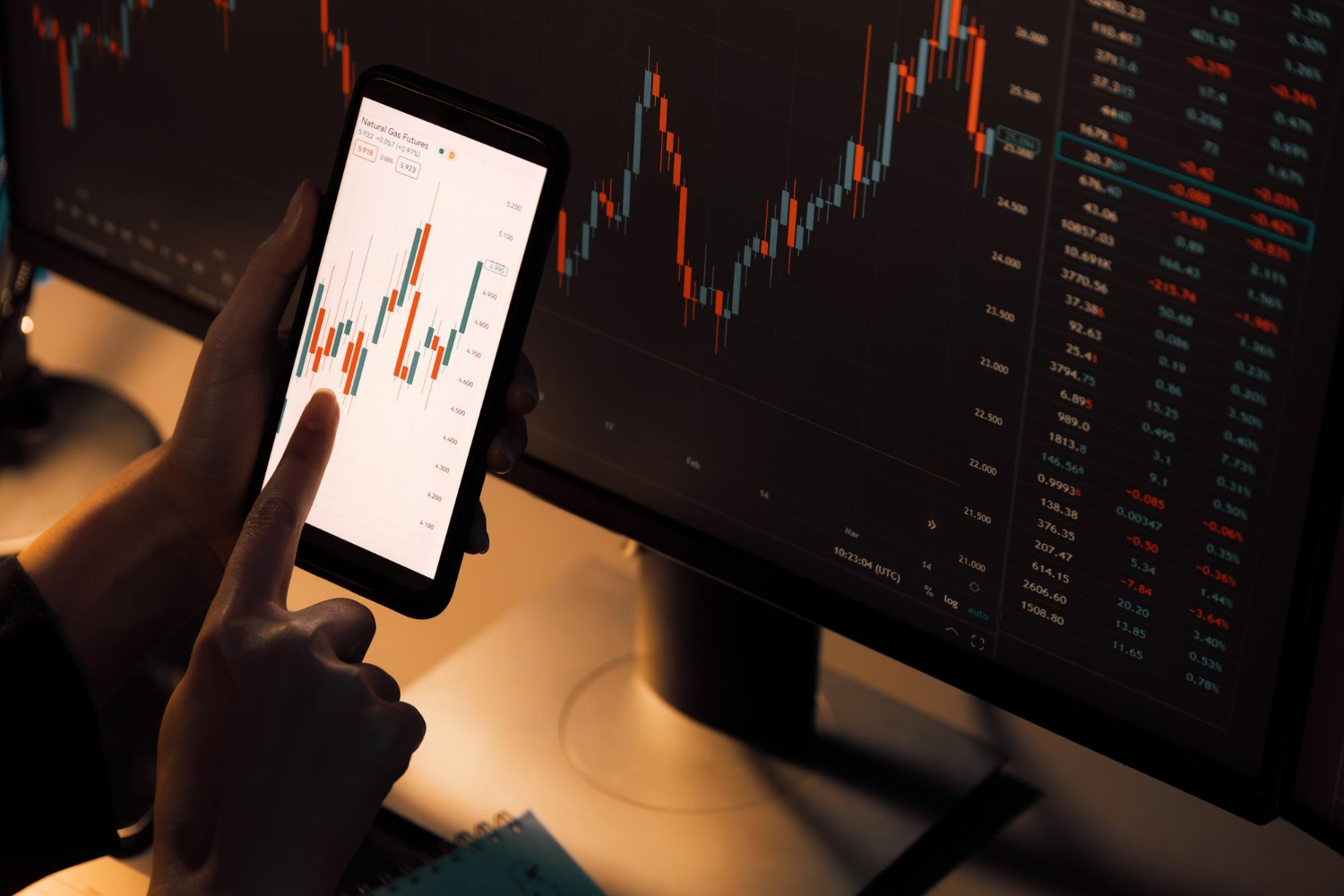
In recent years, trading has experienced a significant increase in popularity, particularly in India, where an increasing number of individuals are seeking to invest and enhance their wealth. As more individuals engage with this dynamic environment, it becomes essential to comprehend the most effective trading platforms available. This article examines the most commonly utilised trading platforms in India, emphasizing their distinctive features and benefits. Additionally, it offers critical guidance for selecting the appropriate platform, helping with investors in avoiding common pitfalls. Prepare to enhance your trading journey with this valuable information.
What is Trading and Why is it Popular ?
Trading, defined as the buying and selling of financial instruments such as shares, foreign exchange (forex), and cryptocurrencies, has experienced significant growth in popularity in recent years, particularly in countries like India. This surge in interest can be attributed to several factors, notably the emergence of digital trading platforms that facilitate entry into investing with minimal capital requirements. Each trading avenue—stock market trading, forex trading, and cryptocurrency trading—presents distinct opportunities and risks, thereby attracting a diverse range of individuals who seek to enhance their financial literacy.
In India, a younger demographic is especially inclined towards trading as a means of wealth creation, complementing traditional saving methods. The proliferation of investment communities and the influence of social media personalities within the finance sector have further stimulated this enthusiasm, rendering trading more accessible to the general public. Aspiring traders should place a high priority on education, as a comprehensive understanding of market dynamics and effective risk management strategies is essential for achieving success in this competitive environment.
Top Trading Platforms in India
India has experienced a significant increase in the number of online trading platforms, providing a wide range of options for traders, from novices to experienced professionals.
These platforms are specifically designed to address various trading needs, allowing individuals to participate in stock market activities, forex trading, and cryptocurrency trading with efficiency and convenience. The competition among brokerage firms has resulted in enhanced trading features, mobile trading applications, and optimised trading accounts, facilitating easier management of investments for users. The emergence of robust trading platforms has cultivated a dynamic trading ecosystem, promoting growth and accessibility within the financial markets.
Overview of the Most Used Platforms
In the dynamic trading landscape of India, numerous trading platforms have gained prominence among traders due to their performance, features, and overall user experience. These platforms typically provide a variety of trading tools, including advanced charting capabilities, market analysis features, and trading signals, catering to both novice and experienced traders. Factors such as trading fees, platform security, and customer support are critical in determining the popularity of these platforms among users. A thorough understanding of these elements can assist traders in making well-informed decisions when selecting their trading accounts.
Among the most noteworthy trading platforms, some offer unique educational resources designed to give the power to users to enhance their trading skills and knowledge. Additionally, certain platforms provide mobile applications for trading on the go, ensuring flexibility and accessibility to markets from any location. It is also essential for traders to consider the user interface and ease of navigation, as a seamless experience can significantly influence trading efficiency. Promotional offers, such as zero brokerage for a limited time, can successfully attract new traders, further increasing the appeal of these platforms in a competitive market. Consequently, evaluating both the features and user experiences can lead to a deeper understanding of which trading platform aligns most effectively with individual trading preferences and objectives.
Features and Benefits of Each Platform
Each trading platform presents a distinct array of features and benefits tailored to meet the diverse requirements of traders in India. These platforms provide advanced trading tools, including candlestick charts and technical analysis, along with access to trading insights and market trends, thereby enriching users’ trading strategies. Additionally, considerations such as platform security, regulatory compliance, and customer support are critical in ensuring a reliable trading experience. A thorough understanding of these features enables traders to choose a platform that aligns with their specific trading objectives and risk management strategies.
Comparison of Trading Platforms
A comprehensive comparison of trading platforms is essential for traders aiming to optimise their trading performance and investment strategies. Understanding the relative strengths and weaknesses of these platforms facilitates well-considered choices that aligns with individual trading styles. Key performance metrics to consider include execution speed, charting tools, and the availability of various trading instruments, which can support different trading strategies such as day trading or long-term investing. Additionally, evaluating user interface design and mobile application functionality can significantly enhance the overall user experience, making trading processes more intuitive. For those who prioritise educational resources, assessing the depth of tutorials and market analyses provided by each platform can offer valuable insights. Consequently, a thorough analysis can illuminate the most suitable options tailored to a trader’s specific requirements.
Tips for Choosing the Right Trading Platform
Choosing the appropriate trading platform is essential for successful trading and can significantly impact risk management and overall investment opportunities. Traders should evaluate various factors during this decision-making process, including:
- Trading features
- User interface
- Trading tools
- Educational resources
Understanding one’s trading style, whether as a novice or an experienced trader, will assist in assessing the available options. Furthermore, considering elements such as platform security, trading commissions, and customer support will provide additional clarity, ensuring that traders are adequately prepared for their trading endeavours.
Factors to Consider and Common Mistakes to Avoid
When evaluating trading platforms, it is essential to consider several critical factors to ensure a positive user experience and effective trading strategies. Common oversights include neglecting platform security measures, failing to comprehend trading fees, and not utilising the available educational resources related to trading. Additionally, overlooking the platform’s ability to support various trading styles, such as algorithmic trading or social trading, can result in missed investment opportunities. By avoiding these pitfalls, traders can optimise their potential for success in the dynamic financial markets.
One fundamental aspect that warrants attention is the platform’s user interface; a well-designed interface can significantly enhance trading efficiency and decision-making speed. Traders should also evaluate the availability of customer support, as robust and responsive assistance can prove invaluable during volatile market conditions. Furthermore, it is important to explore the range of assets offered by the platform, as diversification can contribute to a more balanced portfolio. Monitoring user reviews and comparing multiple platforms can provide critical insights into the overall reliability and performance of a trading service.